


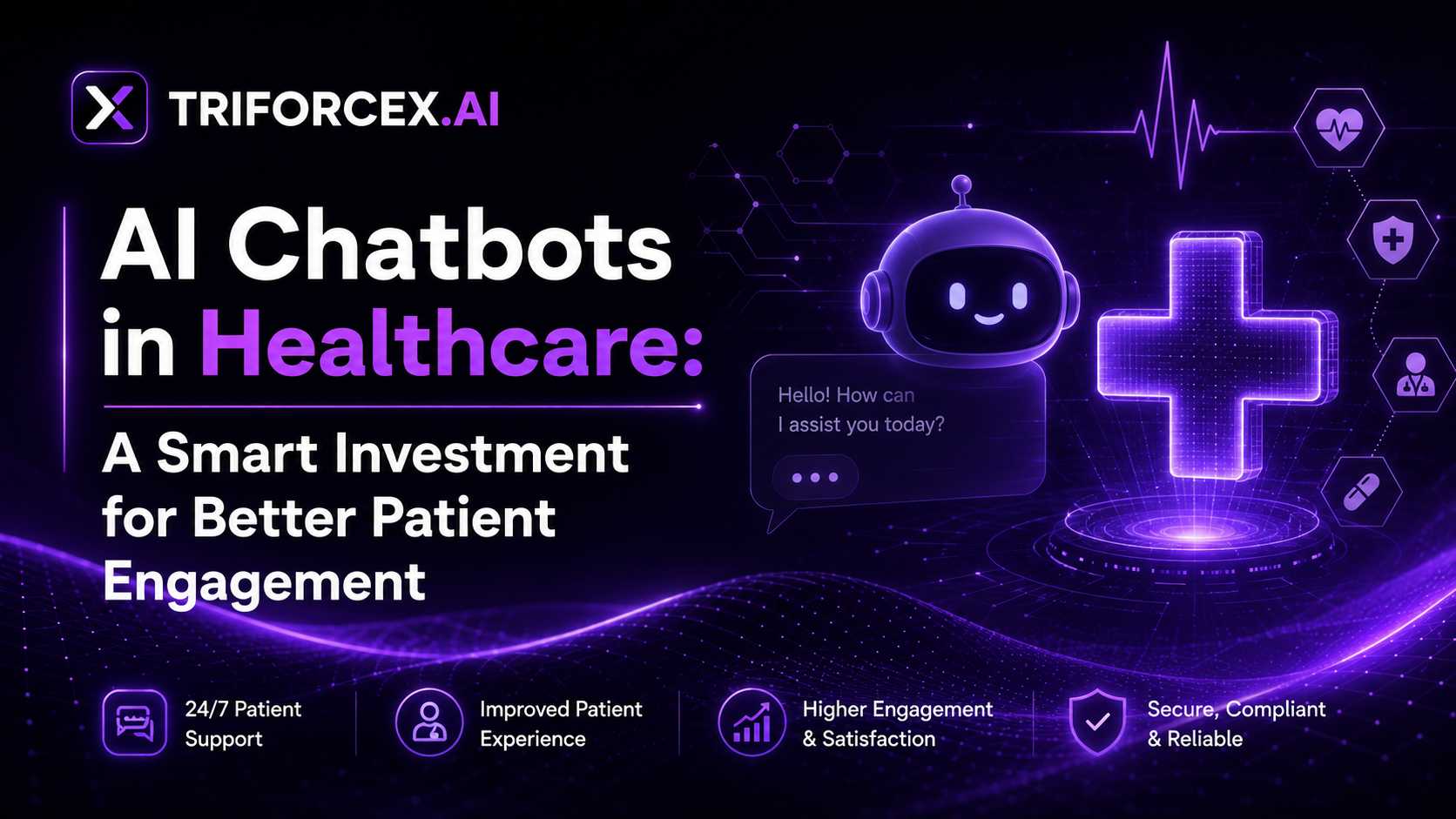
Healthcare is becoming more digital, more patient-focused, and more competitive. Patients today expect quick answers, easy appointment booking, personalised support, and smooth communication from healthcare providers. For medical businesses, meeting these expectations manually can be difficult, especially when teams are already managing appointments, patient records, follow-ups, insurance queries, and administrative work.
This is where AI chatbots are becoming a smart investment. They help clinics, hospitals, diagnostic centres, telehealth platforms, and healthcare startups improve patient engagement without increasing staff workload. A well-designed healthcare chatbot can answer common questions, guide patients to the right service, collect basic information, send reminders, and support patients throughout their care journey.
For medical businesses planning digital transformation, working with an experienced AI & ML development company can help build secure, scalable, and patient-friendly chatbot systems that match real healthcare workflows.
What Are AI Chatbots in Healthcare?
AI chatbots in healthcare are digital assistants that use artificial intelligence, natural language processing, and automation to communicate with patients or healthcare staff. Unlike basic rule-based bots, AI-powered chatbots can understand user intent, respond naturally, and provide helpful guidance based on predefined healthcare workflows.
For example, a patient may ask, “Can I book an appointment with a dermatologist?” The chatbot can check available slots, collect patient details, confirm the appointment, and send a reminder. Another patient may ask about clinic hours, test preparation instructions, billing details, or follow-up steps after a consultation.
These chatbots do not replace doctors or medical professionals. Instead, they support healthcare teams by handling repetitive communication and administrative tasks. The goal is to improve access, reduce waiting time, and make the patient experience smoother.
Why Patient Engagement Matters in Healthcare
Patient engagement is more than sending reminders or answering questions. It is about keeping patients informed, involved, and connected throughout their healthcare journey. When patients are engaged, they are more likely to attend appointments, follow treatment plans, complete follow-ups, and trust their healthcare provider.
Poor communication can lead to missed appointments, delayed care, confusion, and dissatisfaction. Patients may feel ignored if they cannot get quick answers or struggle to reach the right department. For healthcare businesses, this can affect patient retention, operational efficiency, and revenue.
AI chatbots help solve this gap by offering instant, consistent, and accessible communication. Patients can interact with the chatbot 24/7, even outside working hours. This creates a better experience without putting extra pressure on front-desk teams or support staff.
Key Benefits of AI Chatbots for Medical Businesses
1. Faster Patient Support
Patients often contact healthcare providers for simple questions, such as appointment availability, doctor timings, insurance acceptance, location details, or prescription refill processes. Answering these questions manually takes time and can overload staff.
AI chatbots can respond instantly to common patient queries. This reduces waiting time and helps patients get the information they need without calling or emailing repeatedly. For medical businesses, faster support can improve satisfaction and reduce administrative workload.
2. 24/7 Availability
Healthcare questions do not always come during office hours. A patient may want to book an appointment late at night, check preparation instructions before a morning test, or confirm whether urgent care is available.
An AI chatbot can remain available around the clock. It can handle basic requests, collect details, provide approved information, and guide patients to emergency contact options when necessary. This always-on availability helps healthcare businesses provide better service without needing a 24/7 human support team.
3. Better Appointment Management
Missed appointments and scheduling delays are common challenges in healthcare. AI chatbots can help patients book, reschedule, or cancel appointments easily. They can also send automated reminders through chat, email, or SMS, depending on the system integration.
This helps reduce no-shows and improves schedule utilisation. For clinics and hospitals, better appointment management can lead to smoother operations and improved revenue flow.
4. Reduced Staff Workload
Healthcare staff often spend a large amount of time handling repetitive administrative tasks. These include answering basic questions, confirming appointments, collecting patient details, and sending reminders.
AI chatbots can automate many of these tasks. This allows staff to focus on more important responsibilities, such as assisting patients in person, managing complex cases, and supporting doctors. Automation does not remove the human touch; it helps teams use their time more effectively.
5. Personalised Patient Communication
Modern patients expect personalised communication. AI chatbots can be designed to provide relevant responses based on patient needs, appointment type, department, location, or previous interactions.
For example, a chatbot can send different instructions to a patient booking a blood test compared to someone booking a dental consultation. Personalised support makes the experience more useful and reduces confusion.
6. Improved Lead Conversion for Healthcare Services
Many medical businesses receive website visitors who are interested but not ready to call immediately. A chatbot can engage these visitors by answering service questions, sharing consultation options, and collecting contact details.
For healthcare marketers, this creates a better lead capture system. Instead of losing potential patients, medical businesses can convert website traffic into appointment requests, inquiries, or follow-up opportunities.
Common Use Cases of AI Chatbots in Healthcare
Appointment Booking and Scheduling
One of the most popular chatbot use cases is appointment scheduling. Patients can select a doctor, department, location, date, and time through a simple conversation. The chatbot can connect with the scheduling system and confirm the booking.
This improves convenience for patients and reduces manual scheduling work for the healthcare team.
Patient Intake and Pre-Visit Information
Before a consultation, clinics often need basic patient information such as symptoms, medical history, insurance details, or reason for visit. AI chatbots can collect this information in advance and send it to the appropriate system or team.
This helps reduce waiting time during visits and allows healthcare providers to prepare better.
FAQs and General Patient Guidance
Patients often ask similar questions repeatedly. These may include clinic hours, accepted insurance plans, available services, preparation instructions, payment options, or contact details.
A chatbot can provide approved answers quickly and consistently. When the question is complex, the chatbot can direct the patient to a human representative.
Medication and Follow-Up Reminders
AI chatbots can send follow-up messages after appointments, remind patients about medications, or encourage them to book a review visit. These reminders can support better care continuity and help patients stay on track.
For medical businesses, consistent follow-up also improves patient retention and long-term engagement.
Telehealth Support
Telehealth platforms can use chatbots to guide patients before and after virtual consultations. A chatbot can check whether the patient has the right link, confirm appointment time, collect symptoms, and share post-consultation instructions.
This makes virtual care smoother and more organised.
Healthcare Marketing and Patient Acquisition
Medical businesses can also use chatbots on websites, landing pages, and service pages to engage visitors. For example, a cosmetic clinic, dental practice, fertility centre, or wellness provider can use a chatbot to answer service-related questions and encourage consultation booking.
In the middle of a digital growth strategy, healthcare businesses can use AI software solutions to connect marketing, communication, and patient support into one smoother system.
How AI Chatbots Improve Patient Engagement
AI chatbots improve patient engagement by making communication easier, faster, and more accessible. Patients do not always want to wait on hold, fill long forms, or search through multiple web pages. A chatbot gives them a simple way to ask questions and take action.
Chatbots can also make patients feel more supported. For example, after booking an appointment, the chatbot can send preparation instructions. After a consultation, it can send follow-up steps. If the patient needs help, it can guide them to the right department.
This type of continuous communication creates a better patient journey. It also helps healthcare businesses build trust and stay connected with patients beyond the first visit.
ROI of AI Chatbots for Medical Businesses
AI chatbots can deliver return on investment in several ways. The first is operational efficiency. By automating common questions and repetitive tasks, healthcare businesses can reduce the time staff spend on manual communication.
The second is improved appointment conversion. When patients get instant answers and easy booking options, they are more likely to schedule a consultation. This is especially valuable for competitive healthcare services where patients may compare multiple providers before making a decision.
The third is reduced no-shows. Automated reminders and easy rescheduling options can help patients remember appointments and update their bookings in advance.
The fourth is better patient retention. Patients who receive timely communication and helpful support are more likely to return, recommend the provider, and continue their care journey.
The ROI of AI chatbots is not only financial. It also includes better patient satisfaction, stronger brand reputation, and more efficient healthcare operations.
Important Features of a Healthcare AI Chatbot
A healthcare chatbot should be designed carefully. It must be user-friendly, secure, and aligned with healthcare workflows. Some important features include:
Natural Conversation Flow
The chatbot should understand common patient questions and respond in simple language. It should not feel robotic or confusing.
Appointment System Integration
For better efficiency, the chatbot should connect with scheduling tools, CRM systems, patient portals, or practice management software.
Human Handoff
Not every question should be handled by AI. The chatbot should know when to transfer the conversation to a human staff member.
Data Privacy and Security
Healthcare data is sensitive. Chatbots must be built with strong privacy, access control, and secure data handling practices.
Multi-Channel Support
Patients may interact through websites, mobile apps, WhatsApp, SMS, or patient portals. A good chatbot strategy should support the channels patients already use.
Challenges to Consider Before Implementation
AI chatbots are powerful, but they must be implemented responsibly. Medical businesses should avoid using chatbots to provide final medical diagnosis or emergency advice unless properly approved and clinically supervised.
The chatbot content should be reviewed by healthcare professionals. It should clearly guide users to doctors, emergency services, or human support when needed. Businesses should also make sure that patient data is collected only when necessary and stored securely.
Another challenge is user adoption. Patients will use the chatbot only if it is easy, helpful, and reliable. A complicated chatbot can create frustration instead of improving engagement. That is why planning, testing, and continuous improvement are important.
How to Get Started with AI Chatbots in Healthcare
The best way to start is by identifying the most common patient communication problems. For example, does your clinic receive too many appointment calls? Are patients missing follow-ups? Are website visitors leaving without booking? Are staff spending too much time answering repeated questions?
Once the main problem is clear, you can begin with a focused chatbot use case. Start with appointment booking, FAQs, or patient intake. After that, expand to reminders, follow-ups, marketing automation, and advanced integrations.
Medical businesses should also define clear goals. These may include reducing call volume, increasing appointment bookings, improving response time, or improving patient satisfaction. Clear goals make it easier to measure chatbot performance and ROI.
Future of AI Chatbots in Healthcare
AI chatbots will continue to become more advanced. Future healthcare chatbots may offer deeper personalization, multilingual support, voice-based assistance, predictive patient engagement, and better integration with electronic health records.
However, the future is not about replacing human care. It is about making healthcare communication easier and more efficient. Doctors, nurses, and healthcare staff will remain central to patient care. AI chatbots will support them by handling repetitive tasks and improving access to information.
Medical businesses that adopt AI early can create a stronger digital patient experience and stay ahead of competitors.
Conclusion
AI chatbots in healthcare are no longer just a technology trend. They are becoming a practical investment for medical businesses that want to improve patient engagement, reduce staff workload, and create a better care experience.
From appointment booking and patient intake to follow-up reminders and website lead conversion, AI chatbots can support many important healthcare workflows. When implemented correctly, they can help medical businesses save time, improve communication, and increase patient satisfaction.
To get the best results, healthcare providers should focus on secure design, clear use cases, human handoff, and continuous improvement. Partnering with the right AI software solutions can help turn chatbot ideas into reliable, scalable, and patient-focused digital experiences.
If your healthcare business is ready to improve patient engagement with intelligent automation, now is the right time to explore AI chatbot development and build a smarter patient communication system.
FAQs
1. What is an AI chatbot in healthcare?
An AI chatbot in healthcare is a digital assistant that uses artificial intelligence to answer patient questions, support appointment booking, collect basic information, and guide users through healthcare services.
2. How do AI chatbots improve patient engagement?
AI chatbots improve patient engagement by providing instant responses, sending reminders, supporting follow-ups, and making it easier for patients to communicate with healthcare providers.
3. Can AI chatbots replace doctors?
No. AI chatbots should not replace doctors or medical professionals. They are designed to support communication, automate simple tasks, and guide patients to the right care options.
4. Are AI chatbots useful for small clinics?
Yes. Small clinics can use chatbots to manage appointment requests, answer common questions, reduce phone calls, and improve patient communication without adding extra staff.
5. What features should a healthcare chatbot include?
A healthcare chatbot should include appointment booking, FAQs, patient intake, reminder automation, secure data handling, human handoff, and integration with existing healthcare systems.
6. How can healthcare businesses use AI chatbots for growth?
Healthcare businesses can use chatbots to improve patient support, capture website inquiries, automate communication, and connect with patients more consistently through smart AI software solutions.